

Description
Price: ₹399 - ₹199.00
(as of Aug 06, 2025 22:24:11 UTC – Details)

Product Description

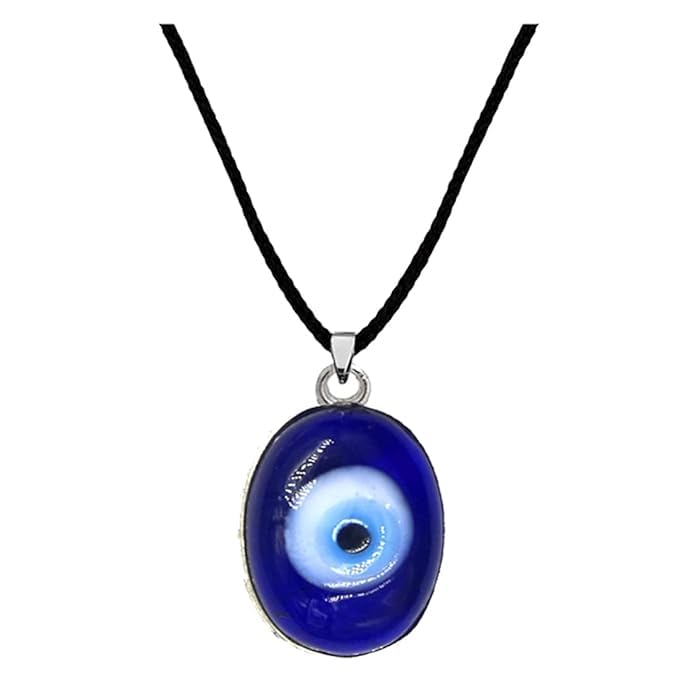
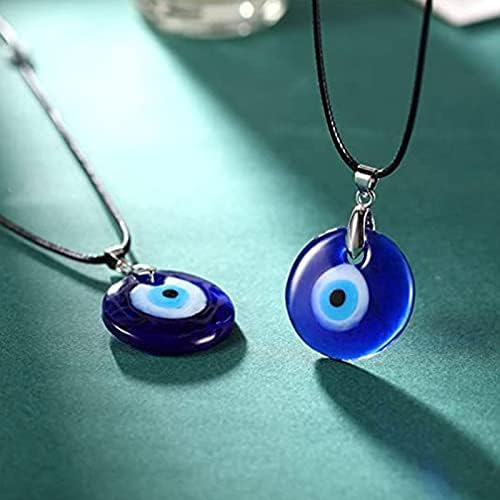
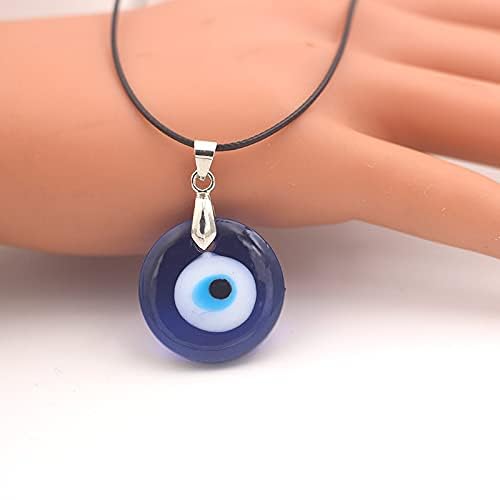
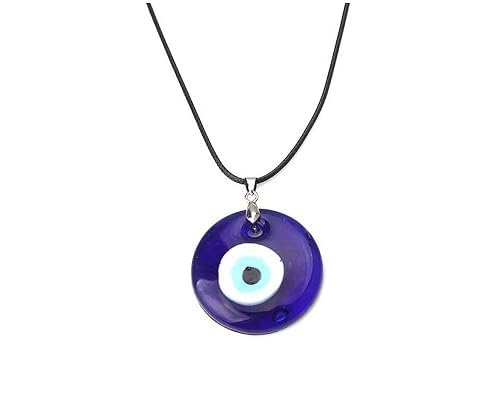
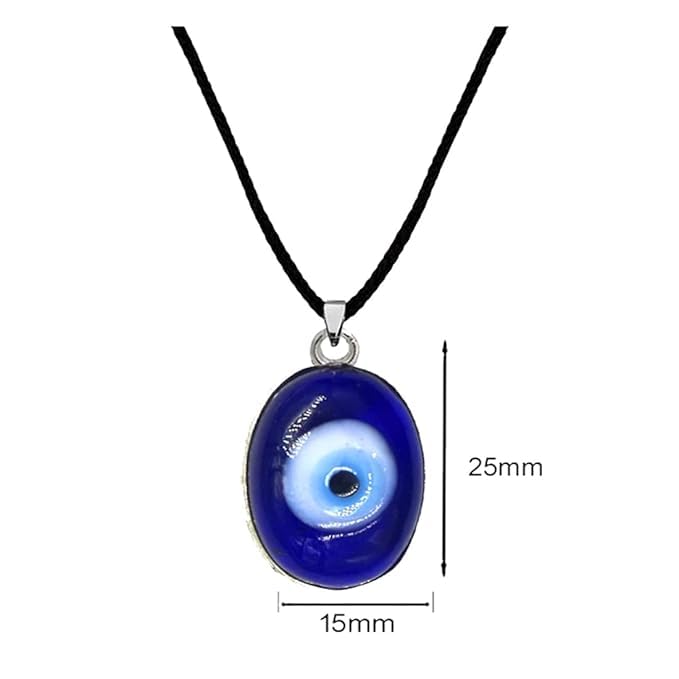
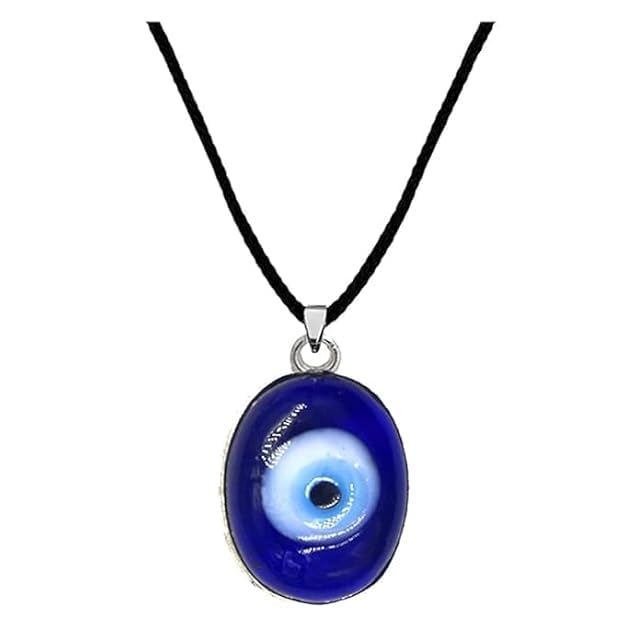
The figure of the evil eyes are recognized in many cultures and they are believed to have protection over you, your home, and your loved ones. Protective Turkish eye or Greek eye with different colors, size and designs can be used according to your taste and they spiritually will help you feel good.
It is a powerful and auspicious Yantra for achieving success in all endeavours.It will help you in finding out your ultimate purpose.Beautiful & For All Rashi People.

The History And The Meaning Of The Evil Eye
Although the meaning of the evil eye varies between cultures and eras, across Europe and the Middle East, people have found talismans and amulets to ward off it as far back as the first century BC. As a class, these objects are known as apotropaic amulets (Greek: “turn away”).
The most common of these are blue and white concentric circular discs or beads (usually center-out, dark blue, light blue, white and dark blue), representing a evil eye. Fighting fire with fire seems to be logical. This type of talisman is called a nazar in . In Turkey, you will see spokes on houses, in cars, painted on fishing boats and worn like pearls.
In Spanish culture, the meaning of the evil eye is mal de ojo; in Brazil it is malolhado; in India it is nazar.
Over time, the charm will wear out and crack. That is not a bad omen. This means the beads have done their job and you are safe. As soon as the pearl is broken, one has to get another one to replace it and keep it guarded to make sure the evil spirits don’t return.

Protecting Yourself Against The Evil Eye
To ward off the evil eye, the people created the Nazar Boncuk Amulet, or the Evil Eye of the Turks. The purpose of the amulet is to ward off evil spirits and protect you from harm. So it’s not for luck; It’s all about protection.
People started hanging amulets on almost everything, from their pets to their children. It is also a common practice to carry them around and place them around the house.
RPA Fantastic What is the purpose of this evil eye bead? Gifts For Newborn Babies Hidden On Clothing To Ward Off Evil

Evil Eye Beads
Some call the village of Nazarkoy in Izmir “the evil eye village” as it reminds you of the smurfs village with the blue and consisting of these small ovens to make evil eyes. It gets this name from the number of glass amulets you’ll find there. Especially the villages of Nazar and Göreme, which are famous for the evil eye bead, brought us valuable masters of this art. Bead master Mahmut Sür, one of these masters and listed on UNESCO’s ‘Living Human Treasure’ list, has been producing evil eye beads in Izmir since he was 13 years old.

Meet the evil eye beads, one of the most beautiful designs of handicrafts. It is made using the patterns and methods of traditional glass art. Candymosa Evil Eye Beads are made entirely by hand, using blowing and other techniques.

The meaning of the evil eye is the same all over the world, and the evil eye bead is used to protect from evil eyes. A nazar is an eye-shaped amulet believed to protect against the evil eye. Protect your loved ones and places from bad energies.

According to Vastu experts, the best place to put the Evil Eye is to hang it in your home. You can hang it on your entrance; it will automatically guard off all the bad energies entering the house.
Date First Available : 24 March 2024
Manufacturer : Generic
ASIN : B0CYXXXLRJ
Item part number : evil_01
Country of Origin : India
Department : unisex-adult
Manufacturer : Generic, RPA Fantastic
Packer : RPA Fantastic
Net Quantity : 1.00 count
Best Sellers Rank: #306,985 in Jewellery (See Top 100 in Jewellery) #12,242 in Women’s Pendants
Customer Reviews: 5.0 5.0 out of 5 stars 2 ratings var dpAcrHasRegisteredArcLinkClickAction; P.when(‘A’, ‘ready’).execute(function(A) { if (dpAcrHasRegisteredArcLinkClickAction !== true) { dpAcrHasRegisteredArcLinkClickAction = true; A.declarative( ‘acrLink-click-metrics’, ‘click’, { “allowLinkDefault”: true }, function (event) { if (window.ue) { ue.count(“acrLinkClickCount”, (ue.count(“acrLinkClickCount”) || 0) + 1); } } ); } }); P.when(‘A’, ‘cf’).execute(function(A) { A.declarative(‘acrStarsLink-click-metrics’, ‘click’, { “allowLinkDefault” : true }, function(event){ if(window.ue) { ue.count(“acrStarsLinkWithPopoverClickCount”, (ue.count(“acrStarsLinkWithPopoverClickCount”) || 0) + 1); } }); });


